Those who start using substances before age 13 have a much higher likelihood of developing a long-term disorder compared to those initiating later. This emphasizes the centrality of middle-school-level prevention, family engagement, and community education. Historical inequities in healthcare, cultural stigma, and location-based barriers drive these disparities, highlighting the importance of culturally informed treatment and policy.
Total alcohol per capita consumption in the world population decreased slightly from 5.7 litres in 2010 to 5.5 litres in 2019. The highest levels of per capita consumption in 2019 were observed in the WHO European Region (9.2 litres) and the Region of Americas (7.5 litres). Pinpointing when individuals typically begin substance use underscores the need for early intervention strategies. Racial and ethnic differences reveal disparate burdens of substance use, as well as uneven access to treatment services. Gender remains one of the more prominent demographic variables in addiction research. Recognizing these differences is crucial for designing tailored outreach and treatment.
Providing naloxone to people who are prescribed opioids is a cost-effective way of preventing opioid overdose deaths
- Some communities are attempting to help, offering active drug users with tidy needles and making the overdose-reversal drug Narcan more extensively offered.
- In the coming years, continued surveillance and research will be essential to track emerging drugs, shifting demographics, and the impact of new policies.
- On an annual basis in the U.S., an estimated 95,000 people die from alcohol-related causes and, in 2019, it is estimated that more than 70,000 people died from a drug overdose.
- The highest proportion (13%) of alcohol-attributable deaths in 2019 were among young people aged 20–39 years.
New York City recently opened the nation’s first official safe consumption clinics, where people with substance use disorder can use drugs under medical supervision. “That 75% number of people who achieve remission includes obviously people at the more severe end of the spectrum,” said Dr. David Eddie, who co-authored the study on recovery success and also teaches at Harvard Medical School. Undoubtedly, most people people do not simplysurvive addiction Research study recommends they frequently grow in long-lasting recovery, reconnecting with family and taking pleasure in financial success. Effective treatment options for substance use disorders exist, but treatment coverage remains incredibly low. The proportion of people in contact with substance use treatment services ranged from less than 1% to no more than 35% in 2019, in countries providing this data. In the coming years, continued surveillance and research will be essential to track emerging drugs, shifting demographics, and the impact of new policies.
Updated Overdose Statistics 2025: Trends in Drug-Related Deaths
Only 7.0% of those without a lifetime mental health problem reported ever having a substance use problem whereas more than 30% of those with a history of a mental health problem reported ever having a substance use problem. This finding parallels with the literature on the frequent comorbidity of substance use disorders and mental illness, termed ‘co-occurring disorders’ or ‘dual diagnosis’. Notably, those who are in recovery from a mental health problem were more likely to report recovery from a substance use problem while those not in recovery from a mental health problem were less likely to report recovery from a substance use problem. The process of supporting recovery from a substance use problem may have overlapping effects that also support recovery from a mental health problem. Substance use disorders are chronic medical conditions for some, requiring ongoing, comprehensive care. At the population level, though, they are characterized by varying levels of severity, from mild to severe distress and impairments in functioning.
Insurance Coverage for Treatment
- Those who start using substances before age 13 have a much higher likelihood of developing a long-term disorder compared to those initiating later.
- To learn that you are inherently valuable means that while you may have successes and failures in life, your worth as a person is never in question.
- But research suggests that nearly 20.5 million (75%) of those successfully recovered.
- Mable-Jones lost a years to addiction, getting in rehab and falling back consistently.
- “I think it kind of goes against our cultural perception that people never get better.”
More data on the differences between individuals with substance use problems who resolve or have not yet resolved their problem can offer key insights of treatment and recovery support service policies in the U.S. “To build a healthier, more equitable society, we must urgently commit to bold actions that reduce the negative health and social consequences of alcohol consumption and make treatment for substance use disorders accessible and affordable.” Tru Addiction Health’s mission is to empower individuals struggling with addiction to live their best lives free of drugs and alcohol. We assist our clients in acquiring the tools necessary for long-term sobriety through comprehensive care. We believe that with community support and encouragement, anyone can overcome addiction and find a path to recovery.
Barriers to Treatment
Substance abuse data serve as an essential barometer for public health interventions and policy decisions. In the broader landscape, we see stark differences by region, age, socioeconomic status, and more. Understanding these trends is critical for guiding prevention efforts, expanding treatment access, and improving long-term recovery outcomes. Regardless of recovery status, those that report a lifetime substance use problem have a high prevalence of tobacco use and nicotine dependence. Overall, 11.1% of the sample reported ever having a substance use problem, which translates to approximately 27.5 million adults in the United States.
Over 3 million annual deaths due to alcohol and drug use, majority among men
Even after finding a successful treatment for this rare disease, much is still unknown about the mechanisms of HHT itself. More than 90% of those with a lifetime substance use problem reported ever using tobacco, about half reported using tobacco in the past year, and almost 20% had nicotine dependence based on the Nicotine Dependence Syndrome Scale. Among adults with a lifetime mental health problem, but not in recovery from this problem, 31.9% reported ever having a substance use problem. Among adults in recovery from a lifetime mental health problem, 29.7% reported ever having a substance use problem. This is compared to only 7.0% ever having a substance use problem among those that reported never having a mental health problem in their life.
He was likewise able to encourage his insurance business to pay for longer-term treatment. Now he’s been drug- complimentary for 4 years, has a profession, a partner and a brand-new infant. You can use sobriety savings to pay off debts, save for retirement, or invest in a healthier lifestyle.
One uncomfortable concern is whether this pattern– several regressions leading to ultimate recovery– will continue now that more street drugs are polluted with the fatal artificial opioid fentanyl. People stroll previous an East Harlem health center that uses totally free needles and other services to drug users on in New York City. Rasco fell back once again and once again, triggering his family massivepain “I didn’t desire to be that individual, however I didn’t understand what to do,” he stated. ” Helpless misery– that’s an excellent way to explain it,” stated 34-year-old Travis Rasco, who lives in Plattsburgh, a little commercial city in upstate New york city. Scientists state this information– and this lived experience– opposes a prevalent misperception that substance-use disorder is an irreversible condition and typically deadly.
Substance use problems are likely to be on a spectrum, from a severe and chronic SUD with many substance-related consequences to more discrete episodes of binge drinking that may have led to a family or legal consequence. Those with more severe substance use problems may be more likely to suffer more severe and cumulative consequences making it more likely, in turn, that they would seek SUD treatment, increasing the chances of resolving their problem. This also exposes them to the idea of abstinence and in adopting a social recovery identity.
It normally takes 8 years or longer to accomplish long-lasting remission even with high quality treatment and medical care. ” I desired to stopped, I simply could not,” he stated, explaining his decade-long battle with heroin. Mable-Jones lost a years to addiction, going into rehab and falling back most people with alcohol and drug addiction survive consistently.
Insurance coverage profoundly influences whether individuals can afford or even seek out treatment. Rural communities often have fewer treatment facilities; telehealth expansions offer a potential solution but require reliable internet and local infrastructure. Stay informed with the latest breaking news, updates on county government, elections, environmental issues, cultural events, and stories from communities across Sonoma County—from Petaluma to Cloverdale, Sonoma to Bodega Bay, and everywhere in between.
She discovered treatment that worked and has actually lived drug- complimentary for more than twenty years. Anna Mable-Jones, age 56, lost a yearsto cocaine addiction Now she’s a house owner, she began a small company and states life is “remarkable.”. Some communities are attempting to help, offering active drug users with tidy needles and making the overdose-reversal drug Narcan more extensively offered. However in a pattern scientists state is common, Mable-Jones’ illness ultimately alleviated. She discovered treatment that worked and has actually lived drug- totally free for more than twenty years.
Research suggests they often thrive in long-term recovery, reconnecting with family and enjoying economic success. There are stark differences in how the body and brain respond to alcohol and different drugs. But in a pattern researchers say is common, Mable-Jones’ illness eventually eased.
Addiction is a chronic relapsing condition, with various drugs carrying different probabilities of post-treatment return to use. These data suggest that a multi-pronged approach – improving access to education, employment, and stable housing – can reduce substance abuse in vulnerable communities. Socioeconomic status is strongly linked to substance abuse vulnerability, emphasizing that broader social conditions must be addressed alongside clinical interventions.








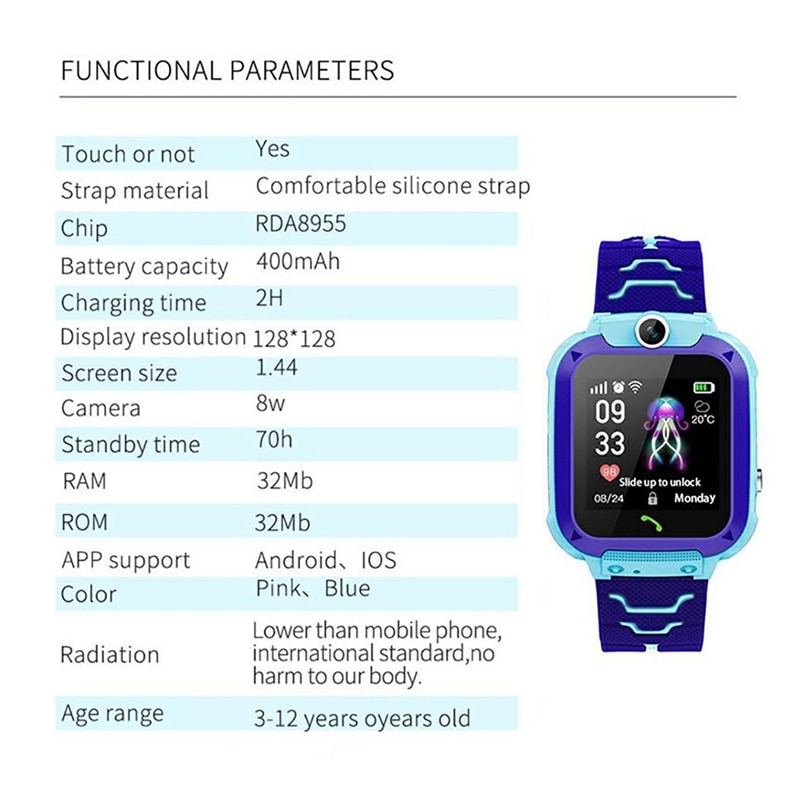 1. Communication at Your Fingertips:
 5. Waterproof Design:
 10. Clear FHD Camera For Remote Shots